Need attention
- High sodium content (480 mg/100 g) weakens the nutrition score.
Nutrition snapshot
The nutrient profile is mixed or moderate based on the available evidence.
Nutrition score
56
/100
Nutrition interpretation
Moderate signal
The nutrient profile is mixed or moderate based on the available evidence.
Help improve this record
Structured source data
Energy / 100g
129 kcal
Protein / 100g
3.3 g
Sugar / 100g
0.7 g
Ingredient-level explanation
Ingredients text is not available for this product. Confidence and processing remain cautious because ingredient evidence is missing.
Food score panel
Each dimension stays separate so the product can score well in one area and weakly in another without hiding trade-offs.
Nutrition score
56
/100
Nutrition profile
label quality is the strongest signal right now, while environmental signal needs the most caution.
Strongest area
Label quality
Weakest area
Environmental signal
Data confidence
medium
Data confidence
Data confidence 63/100
Medium reliability
Data coverage is partial and the interpretation carries moderate confidence.
Confidence layer
Category breakdown
The result is uneven: strengths and weaknesses are balanced.
Nutrition profile
Mixed
56/100
56
Nutrition score based on nutrient profile only.
Processing
Processing unknown
Insufficient evidence
—
Processing indicator is unavailable because ingredient evidence is too limited.
Environmental signal
Very weak
15/100
15
Product-specific environmental signal.
Label quality
Quite good
66/100
66
Label quality reflects completeness and consistency of the record, not nutrition quality.
How is the score built?
Open the methodology note
Nutrition score measures nutrient profile only. Processing, environment, label quality, and data confidence stay separate so missing data or formulation signals do not silently change nutrition quality.
The data is partial. The interpretation is usable but some conclusions may be refined.
Score drivers
Supports the assessment
Declared Eco-Score E supports the environmental indicator.
Impact: high
Pulls the score down
High sodium content (480 mg/100 g) weakens the nutrition score.
Impact: medium
Mandatory field coverage is only partial (63%).
Impact: medium
Uncertain area
Ingredient evidence is too limited to classify processing reliably.
Impact: high
The record is missing an ingredient list.
Impact: high
Confidence is reduced by missing ingredient evidence.
Impact: high
Related products

Pantry. Evidence quality: medium
nutrition score
Score summary
44
Nutrition score
label quality is the strongest signal right now, while nutrition profile needs the most caution.
Data confidence
75/100
medium reliability
medium confidence from label, nutrition, and source coverage
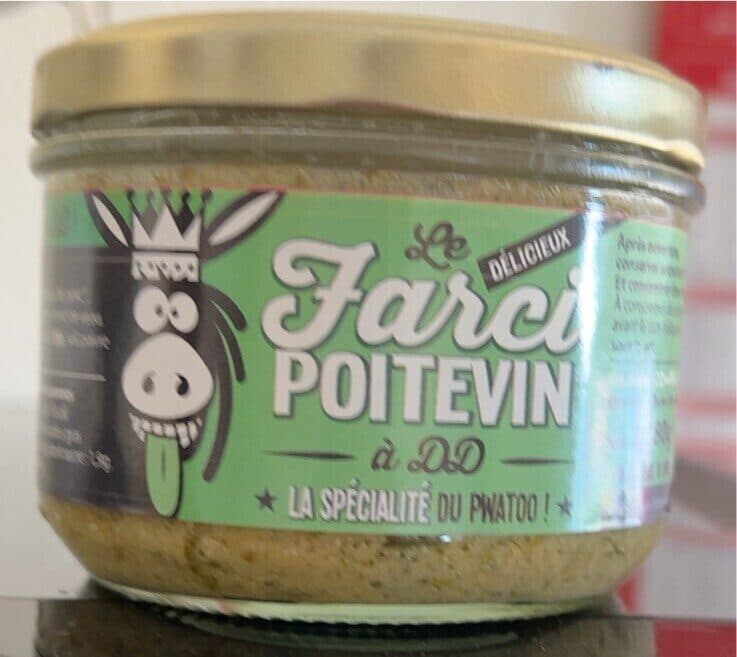
Pantry. Ingredients: Choux, poireau, viande et gras de porc, _œuf_, épinard, oseille, oignon, fond de veau, ail, persil, ciboulette, farine de _blé_, sel, poivre.. Evidence quality: high
nutrition score
Score summary
69
Nutrition score
label quality is the strongest signal right now, while processing needs the most caution.
Data confidence
91/100
high reliability

Pantry. Evidence quality: medium
nutrition score
Score summary
36
Nutrition score
label quality is the strongest signal right now, while nutrition profile needs the most caution.
Data confidence
73/100
medium reliability

Pantry. Ingredients: oeufs de truite 96,5% (Oncorhynchus mykiss), sel.. Evidence quality: high
nutrition score
Score summary
33
Nutrition score
label quality is the strongest signal right now, while nutrition profile needs the most caution.
Data confidence
88/100
high reliability
Madal kiudainesisaldus ja rafineeritud süsivesikud viitavad toidule, mis toetab nõrgemalt täiskõhutunnet.
Kohe
Võib põhjustada kiiremat glükoosikõikumist ja varasemat näljatunnet.
Pikemas vaates
Sage tarbimine võib halvendada üldist toidukvaliteeti ja seostub ebasoodsama ainevahetusprofiiliga.
Loogika: fiber100g < 1.5 g/100 g või fiber100g < 3 g/100 g koos rafineeritud süsivesikute markeritega.
Signaalid: Kiudained 1.5 g/100 g jäävad alla üldlävendi 3 g/100 g.
Riskisignaal sõltub kogu menüü kiudainete tasemest, mitte ainult ühest tootest.
Madal kiudainesisaldus on lapse vaates oluline, sest see mõjutab nii täiskõhutunnet kui ka seedimise mugavust.
Miks oluline
Rakendus kuvab selle, et aidata vanemal hoida lapse menüüs rohkem täistera, kaunvilju, puu- ja köögivilju.
Kohe
Võimalik on kiirem näljatunde taastumine või raskem seedimine.
Pikemas vaates
Võib vähendada lapse menüü üldist kvaliteeti ja hoida kiudainete tarbimise püsivalt liiga madalal.
Põhineb tugeval rahvusvahelisel juhisel: WHO süsivesikute kvaliteedi ja kiudainete soovitused.
Signaalid: Kiudained 1.5 g/100 g jäävad alla üldlävendi 3 g/100 g.
high confidence from label, nutrition, and source coverage
medium confidence from label, nutrition, and source coverage
high confidence from label, nutrition, and source coverage