
advocare
spark
Beverages. Ingredients: maltodextrin, citric acid, silicon dioxide, sucralose, natural flavors. Evidence quality: medium. Nutrition score is currently hidden
NOVA4Beverages
medium confidence from label, nutrition, and source coverage
The nutrient profile is weak based on the available evidence.
Help improve this record
Improve product dataRelated products
advocare
Beverages. Ingredients: maltodextrin, citric acid, silicon dioxide, sucralose, natural flavors. Evidence quality: medium. Nutrition score is currently hidden
medium confidence from label, nutrition, and source coverage
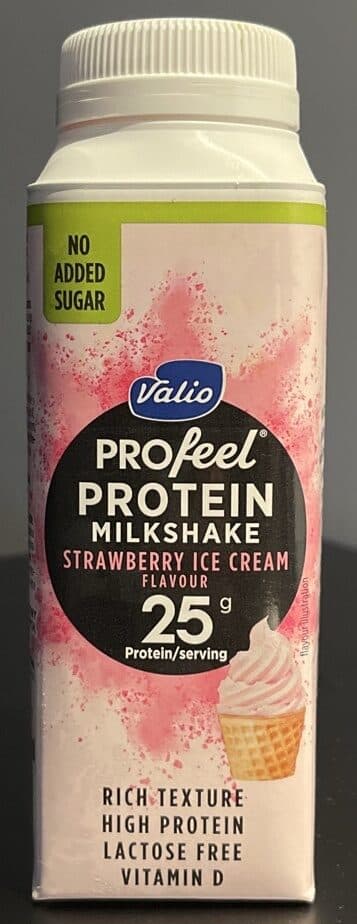
Valio PROfeel
Beverages. Ingredients: FRE Ingredients: Semi-skimmed milk, milk protein, stabiliser (carrageenan), sweeteners (acesulfame K, sucralose), flavourings, salt, colour (carmines), lactase enzyme, vitamin D.. Evidence quality: high
high confidence from label, nutrition, and source coverage
Open Food Facts
Beverages. Ingredients: energiainen hiilihapotettu colavirvoitusjuoma. Sisältää makeutusaineita esset vesi, hiilihappo, väri (ammoniumsulfiittimenetelmän sokerikulööri), happo (fost keutusaineet (syklamaatit, asesulfaami K, aspartaami), happamuudensäätöaine (natifunt koteini), luontainen aromi. Sisältää fenyylialaniinin lähteen. Ei sisällä lisättyä sokeria shasennossa huoneenlämmössä, valolta ja voimakkailta hajuilta suojattuna. Parasta ene kaula. Valmistettu Saksassa. syrad läskedryck med colasmak. Lågt energiinnehåll. Innehåller sötningsm gredienser vatten, kolsyra, färgämne (sockerkulör, ammoniaksulfitprocessen), syrafast edel (cyklamater, acesulfam K, aspartam), surhetsreglerande medel (natriumcit AUTUS VAIN LIDI AS PANTTI 0,20€ PANT LIDLIN 2017 ENDACT TILL 2093 7270 (koffein), naturlig arom. Innehåller en a fenylalanin. Utan tillsatt socker. Fina mörkt, ej över normal rumstemperatur S starka lukter. Oöppnad vara bäst e hals. Tillverkad i Tyskland. 0,5le 747. Evidence quality: medium
medium confidence from label, nutrition, and source coverage
Obolon
Beverages. Evidence quality: medium
medium confidence from label, nutrition, and source coverage
Structured source data
Energy / 100g
310 kcal
Protein / 100g
0 g
Sugar / 100g
77.6 g
Ingredient-level explanation
Ingredients text is not available for this product. Confidence and processing remain cautious because ingredient evidence is missing.
Nutrition score
Nutrition profile
environmental signal is the strongest signal right now, while nutrition profile needs the most caution.
Strongest area
Environmental signal
Weakest area
Nutrition profile
Data confidence
medium
Data confidence
Medium reliability
Data coverage is partial and the interpretation carries moderate confidence.
Category breakdown
The profile is on the weaker side and warrants attention.
Nutrition profile
Weak
36/100
Nutrition score based on nutrient profile only.
Processing
Processing unknown
Insufficient evidence
Processing indicator is unavailable because ingredient evidence is too limited.
Environmental signal
Strong
95/100
Product-specific environmental signal.
Label quality
Quite good
66/100
Label quality reflects completeness and consistency of the record, not nutrition quality.
How is the score built?
Open the methodology note
Nutrition score measures nutrient profile only. Processing, environment, label quality, and data confidence stay separate so missing data or formulation signals do not silently change nutrition quality.
The data is partial. The interpretation is usable but some conclusions may be refined.
Score drivers
Supports the assessment
Declared Eco-Score A supports the environmental indicator.
Impact: high
Pulls the score down
High sugar content (77.6 g/100 g) weakens the nutrition score.
Impact: high
Mandatory field coverage is only partial (63%).
Impact: medium
Uncertain area
Ingredient evidence is too limited to classify processing reliably.
Impact: high
The record is missing an ingredient list.
Impact: high
Confidence is reduced by missing ingredient evidence.
Impact: high
Kõrge vabade suhkrute sisaldus võib tõsta energiakoormust ilma püsivat täiskõhutunnet pakkumata.
Kohe
Võib tekitada kiire energiakõikumise ning varasema näljatunde või suurema janu.
Pikemas vaates
Sage tarbimine seostub kõrgema riskiga ebasoodsale kehakaalu ja ainevahetuse profiilile.
Loogika: Joogid: sugars100g > 5 g/100 ml. Toidud: sugars100g > 10 g/100 g.
Signaalid: Suhkur 77.6 g/100 g ületab joogile rakendatud lävendi 5 g/100 ml.
See on riskisignaal, mitte diagnoos. Mõju sõltub kogusest, tarbimissagedusest ja kogu toitumismustrist.
Suhkruga joogid on lapse riskimudelis eraldi A-kihi kategooria, sest vedelat suhkrut on lihtne tarbida rohkem kui märkame.
Miks oluline
Rakendus suunab siin tähelepanu eriti selgelt: joogisuhkur ei ole lapse jaoks hea igapäevane valik isegi siis, kui muu menüü on tasakaalus.
Kohe
Võib kaasneda kiire energiamuutus, suurem janu ja varasem uus näljatunne.
Pikemas vaates
Võib toetada magusate jookide harjumust ning nõrgendada lapse üldist joogivaliku kvaliteeti.
Põhineb tugeval rahvusvahelisel juhisel: WHO vabade suhkrute soovitused ning laste joogivaliku institutsionaalsed soovitused.
Signaalid: Joogis on suhkrut 77.6 g/100 ml, mis ületab joogile rakendatud lävendi 5 g/100 ml.