Supporting factors
- Fiber (3.6 g/100 g) supports the nutrition score.
- Protein (12.5 g/100 g) provides limited support to the nutrition score.
Need attention
- Added sugars are unavailable, so sugar handling relies conservatively on total sugars.
Nutrition snapshot
The nutrient profile looks comparatively strong based on the available evidence.
Nutrition score
71
/100
Nutrition interpretation
Low signal
The nutrient profile looks comparatively strong based on the available evidence.
Help improve this record
Structured source data
Energy / 100g
375 kcal
Protein / 100g
12.5 g
Sugar / 100g
5.36 g
Ingredient-level explanation
Durum wheat semolina, (enriched with iron [ferrous sulfate] and b vitamins [niacin, thiamin mononitrate, riboflavin, folic acid]).
Food score panel
Each dimension stays separate so the product can score well in one area and weakly in another without hiding trade-offs.
Nutrition score
71
/100
Nutrition profile
processing is the strongest signal right now, while nutrition profile needs the most caution.
Strongest area
Processing
Weakest area
Nutrition profile
Data confidence
medium
Data confidence
Data confidence 63/100
Medium reliability
Data coverage is partial and the interpretation carries moderate confidence.
Confidence layer
Category breakdown
The overall assessment is good, but some areas warrant further review.
Nutrition profile
Quite good
71/100
71
Nutrition score based on nutrient profile only.
Processing
Minimally processed
Minimally processed
100
Processing indicator kept separate from the nutrition score.
Environmental signal
Quite good
72/100
72
Estimated environmental signal with limited precision.
Label quality
Strong
76/100
76
Label quality reflects completeness and consistency of the record, not nutrition quality.
How is the score built?
Open the methodology note
Nutrition score measures nutrient profile only. Processing, environment, label quality, and data confidence stay separate so missing data or formulation signals do not silently change nutrition quality.
The data is partial. The interpretation is usable but some conclusions may be refined.
Score drivers
Supports the assessment
Declared NOVA group 1 anchors the processing indicator.
Impact: high
Fiber (3.6 g/100 g) supports the nutrition score.
Impact: medium
Mandatory field coverage is strong (88%).
Impact: medium
Pulls the score down
A long ingredient list (15 ingredients) supports a more processed classification.
Impact: low
Uncertain area
Record completeness is 56%.
Impact: medium
Image evidence covers about 0% of the key fields.
Impact: low
Added sugars are unavailable, so sugar handling relies conservatively on total sugars.
Impact: low
Related products
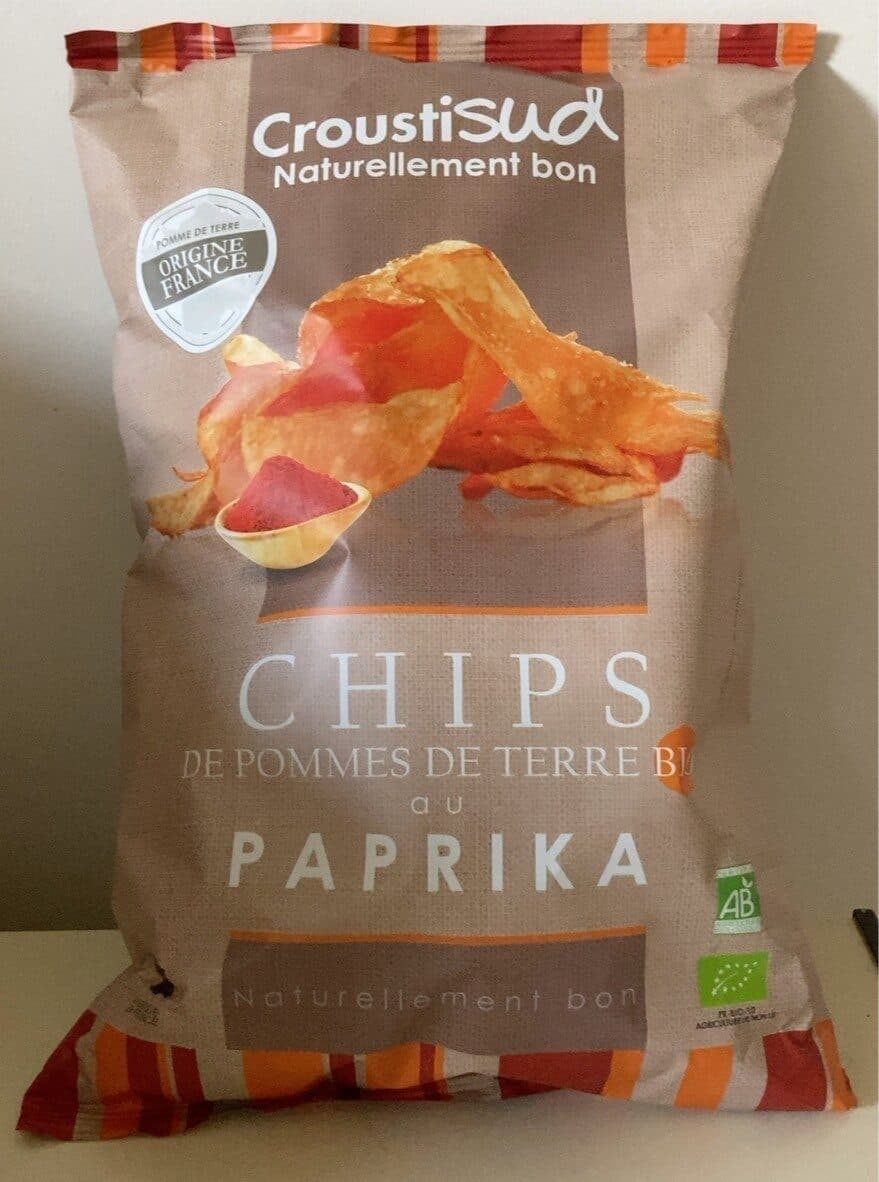
Plant-based. Ingredients: Pommes de terre* (57,7%), huile de tournesol * (35%), fécule de pommes de terre*, sel, paprika* (1,7%), tomate*, oignon*, ail*.. Evidence quality: high
nutrition score
Score summary
55
Nutrition score
label quality is the strongest signal right now, while processing needs the most caution.
Data confidence
91/100
high reliability
high confidence from label, nutrition, and source coverage

Plant-based. Evidence quality: medium
nutrition score
Score summary
73
Nutrition score
environmental signal is the strongest signal right now, while label quality needs the most caution.
Data confidence
70/100
medium reliability
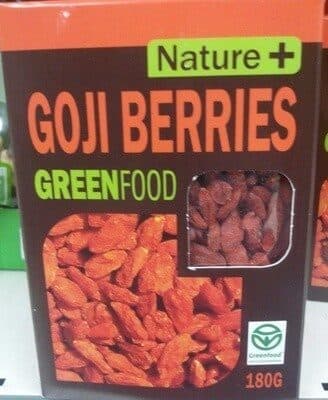
Plant-based. Ingredients: Baies de Goji.. Evidence quality: high
nutrition score
Score summary
45
Nutrition score
processing is the strongest signal right now, while nutrition profile needs the most caution.
Data confidence
88/100
high reliability
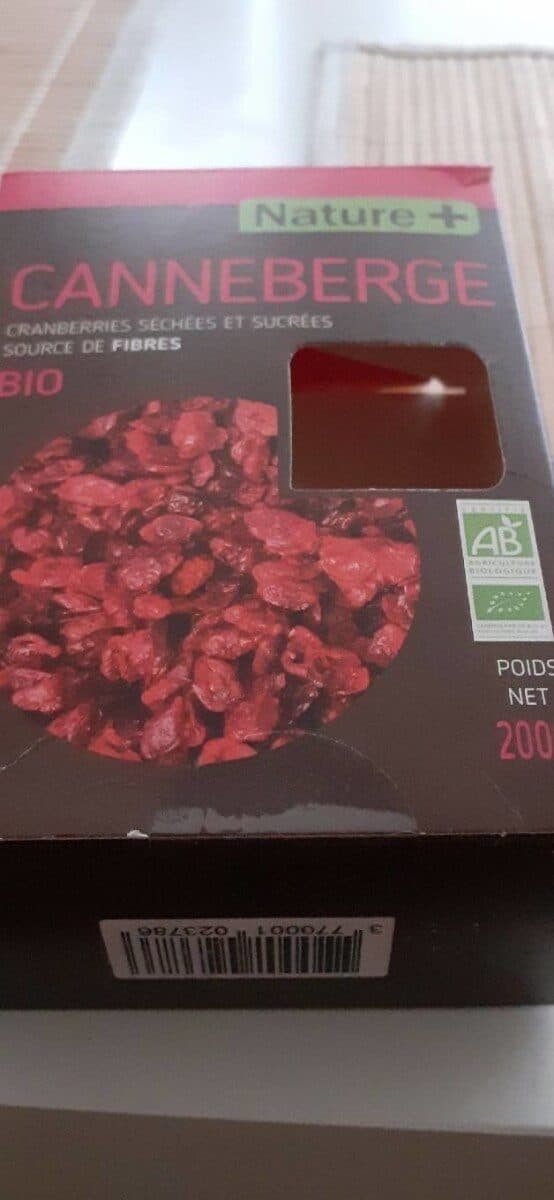
Plant-based. Ingredients: Baies de canneberge BIO, Jus de canne évaporé BIO, Huile de tournesol BIO (- de 1%). Evidence quality: high
nutrition score
Score summary
44
Nutrition score
label quality is the strongest signal right now, while processing needs the most caution.
Data confidence
85/100
high reliability
Kõrge vabade suhkrute sisaldus võib tõsta energiakoormust ilma püsivat täiskõhutunnet pakkumata.
Kohe
Võib tekitada kiire energiakõikumise ning varasema näljatunde või suurema janu.
Pikemas vaates
Sage tarbimine seostub kõrgema riskiga ebasoodsale kehakaalu ja ainevahetuse profiilile.
Loogika: Joogid: sugars100g > 5 g/100 ml. Toidud: sugars100g > 10 g/100 g.
Signaalid: Suhkur 5.4 g/100 g ületab joogile rakendatud lävendi 5 g/100 ml.
See on riskisignaal, mitte diagnoos. Mõju sõltub kogusest, tarbimissagedusest ja kogu toitumismustrist.
Töödeldud lihatooted ja nitriti/nitraadi markerid viitavad kõrgema ettevaatuse vajadusele.
Kohe
Võib suurendada soola- ja säilitusainete koormust ühes toidukorras.
Pikemas vaates
Sage tarbimine seostub kõrgema riskiga ebasoodsatele pikaajalistele tervisenäitajatele.
Loogika: Kategooria viitab töödeldud lihale või koostises/additiivides leidub E249, E250, E251, E252.
Signaalid: Koostises tuvastati markerid: nitraat.
See signaal ei asenda personaalset nõustamist. Tõlgendus sõltub tarbimissagedusest ja portsjoni suurusest.
Suhkruga joogid on lapse riskimudelis eraldi A-kihi kategooria, sest vedelat suhkrut on lihtne tarbida rohkem kui märkame.
Miks oluline
Rakendus suunab siin tähelepanu eriti selgelt: joogisuhkur ei ole lapse jaoks hea igapäevane valik isegi siis, kui muu menüü on tasakaalus.
Kohe
Võib kaasneda kiire energiamuutus, suurem janu ja varasem uus näljatunne.
Pikemas vaates
Võib toetada magusate jookide harjumust ning nõrgendada lapse üldist joogivaliku kvaliteeti.
Põhineb tugeval rahvusvahelisel juhisel: WHO vabade suhkrute soovitused ning laste joogivaliku institutsionaalsed soovitused.
Signaalid: Joogis on suhkrut 5.4 g/100 ml, mis ületab joogile rakendatud lävendi 5 g/100 ml.
Töödeldud liha ja nitritite hariv signaal
C-kiht: hariv kontekstMõõdukas teaduslik alusKui toode kuulub töödeldud liha profiili, kuvame selle vanemale pika vaate hariva märkusena.
medium confidence from label, nutrition, and source coverage
high confidence from label, nutrition, and source coverage
high confidence from label, nutrition, and source coverage