
Open Food Facts
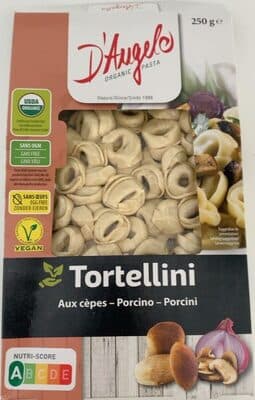
Tortellini aux cepes
Meals. Evidence quality: medium
Nutri-ScoreBWell-documented label
medium confidence from label, nutrition, and source coverage
The nutrient profile is mixed or moderate based on the available evidence.
Help improve this record
Improve product dataRelated products
Open Food Facts
Meals. Evidence quality: medium
medium confidence from label, nutrition, and source coverage
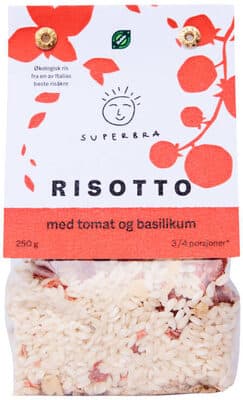
Ivrig handel as
Meals. Ingredients: Carnaroli ris 90%, tomat 3,6%, basilikum 0,4%, havsalt, tomatpuré, rismel, løk, selleri, gulrot, persille, purreløk, ekstra virgin olivenolje, maisstivelse, miso (soya, ris, vann, salt, koji), gjærekstrakt og krydder.. Evidence quality: high
high confidence from label, nutrition, and source coverage
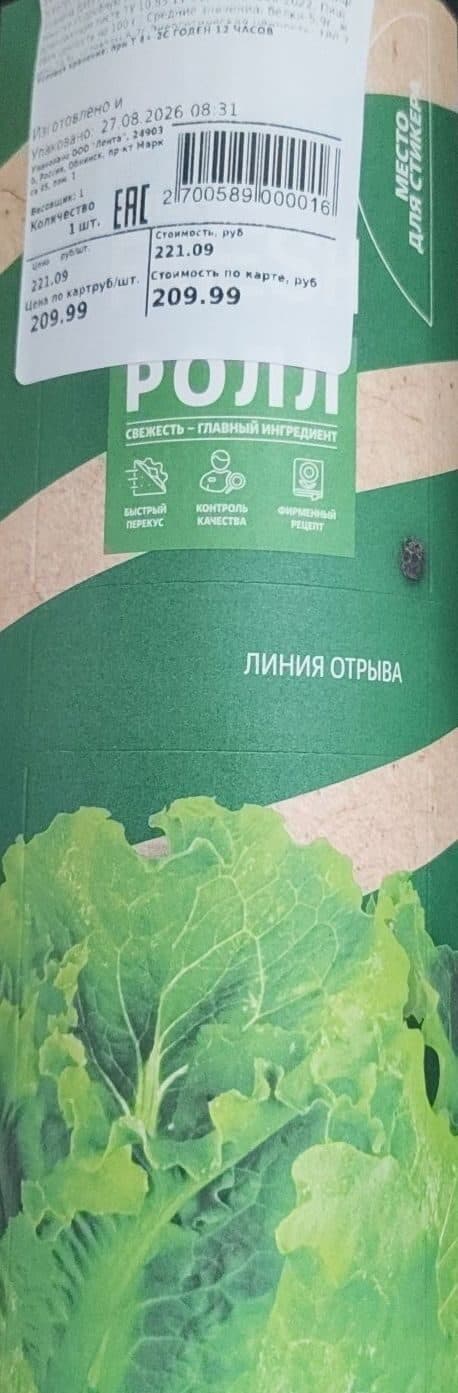
Лента
Meals. Ingredients: Тортилья (мука пшенич.в/ с вода, соль, дрожжи, сахар, консервантЕ282), стрипсы (филе куриное, молоко, яйцо, паниров. смесь (мука, крахмал кукурузный, соль, яичн. продукты, компл. пищ. добавка(соль, сахар, загустител ь мальтодекстрин, ароматизатор экстракт чеснока), ароматизаторы, красители:Е100,E160; усилитель вкуса/ аромата 621), масло растительное, перец красный острый,соль), соус чесночный (майонез (масло подсолнечное, вода, регулятор кислотностиЕ260, крахмал кукурузный, яичный продукт, загустители:E415,E412; соль, консерванты: Е200,E385; ароматизато р Горчица, подсластители:E950,E951; краситель E160), сметана, перец черный, чеснок, соль, укроп)), капуста китайская, помидор. Evidence quality: high
high confidence from label, nutrition, and source coverage

Selver
Meals. Ingredients: MAKARON 35% [MAKARON sh NISU, rapsiõli], majonees [rapsiõli, vesi, LÖSSIpulber, suhkur, sool, SINEPIpulber, modifitseeritud tärklis, paksendajad (E415, E412), MUNApulber, happesuse regulaator E260, säilitusaine E202], sink 16% [sealiha, vesi, tärklis, sool, glükoos, stabilisaatorid (E450, E451), modifitseeritud tärklis, maitsetaimed, vürtsid, paksendaja E407, lõhna - ja maitseaine, antioksüdant E316, toiduvärv E120, säilitusaine E250], marineeritud kurk sh SINEP, keedetud porgand, sool, suhkur, maitsetaimed, maltodekstriin, glükoos, lõhna - ja maitseaine, vürtsid, SELLERIekstrakt. Evidence quality: medium. Nutrition score is currently hidden
medium confidence from label, nutrition, and source coverage
Structured source data
Energy / 100g
362 kcal
Protein / 100g
6.9 g
Sugar / 100g
3.45 g
Ingredient-level explanation
Organic parboiled brown rice, organic onion, sea salt, organic tomato powder, organic garlic, organic dried cane syrup, organic green bell pepper, organic rice concentrate, organic sunflower oil, citric acid, organic chili powder (red chili pepper, paprika, garlic, spices {cardamom, cinnamon, clove, cumin, black pepper}).
Tuvastatud lisaained (1)
Nutrition score
Nutrition profile
nutrition profile is the strongest signal right now, while processing needs the most caution.
Strongest area
Nutrition profile
Weakest area
Processing
Data confidence
medium
Data confidence
Medium reliability
Data coverage is partial and the interpretation carries moderate confidence.
Category breakdown
The overall assessment is good, but some areas warrant further review.
Nutrition profile
Quite good
62/100
Nutrition score based on nutrient profile only.
Processing
Highly processed
Highly processed
Highly processed
Processing indicator kept separate from the nutrition score.
Environmental signal
Mixed
57/100
Estimated environmental signal with limited precision.
Label quality
Mixed
57/100
Label quality reflects completeness and consistency of the record, not nutrition quality.
How is the score built?
Open the methodology note
Nutrition score measures nutrient profile only. Processing, environment, label quality, and data confidence stay separate so missing data or formulation signals do not silently change nutrition quality.
The data is partial. The interpretation is usable but some conclusions may be refined.
Score drivers
Supports the assessment
Fiber (5.2 g/100 g) supports the nutrition score.
Impact: medium
Pulls the score down
Declared NOVA group 3 anchors the processing indicator.
Impact: high
High sodium content (690 mg/100 g) weakens the nutrition score.
Impact: medium
Mandatory field coverage is only partial (63%).
Impact: medium
Uncertain area
Record completeness is 67%.
Impact: medium
Image evidence covers about 0% of the key fields.
Impact: low
Kõrge soolasisaldus viitab suuremale naatriumikoormusele, mida tasub igapäevases tarbimises piirata.
Kohe
Võib suurendada janu ja mõnel inimesel soodustada vedelikupeetust.
Pikemas vaates
Sage liigne soolatarbimine seostub kõrgema vererõhu riskiga.
Loogika: salt100g > 1.2 g/100 g.
Signaalid: Sool 1.7 g/100 g ületab lävendi 1.2 g/100 g.
Tegu on riskisignaaliga, mitte meditsiinilise hinnanguga. Oluline on kogu päeva soolakoormus.
Kui soola on palju, suunab rakendus vanema tähelepanu lapse päevase soolakoormuse ja maitseharjumuste kujunemisele.
Miks oluline
Lapse toitumises tasub väga soolaseid valikuid piirata, sest harjumused kujunevad varakult ja mõjutavad ka hilisemat eelistust.
Kohe
Võib tekkida tugevam janu ja soov juua rohkem.
Pikemas vaates
Võib toetada soolasema maitse eelistust ja ebasoodsat vererõhu riskisuunda.
Põhineb tugeval rahvusvahelisel juhisel: WHO naatriumisoovitused (lastel kohandatakse vajadus allapoole).
Signaalid: Sool 1.7 g/100 g ületab lävendi 1.2 g/100 g.