
Supporting factors
- Fiber (3.3 g/100 g) supports the nutrition score.
Need attention
- High sodium content (667 mg/100 g) weakens the nutrition score.
- Added sugars are unavailable, so sugar handling relies conservatively on total sugars.
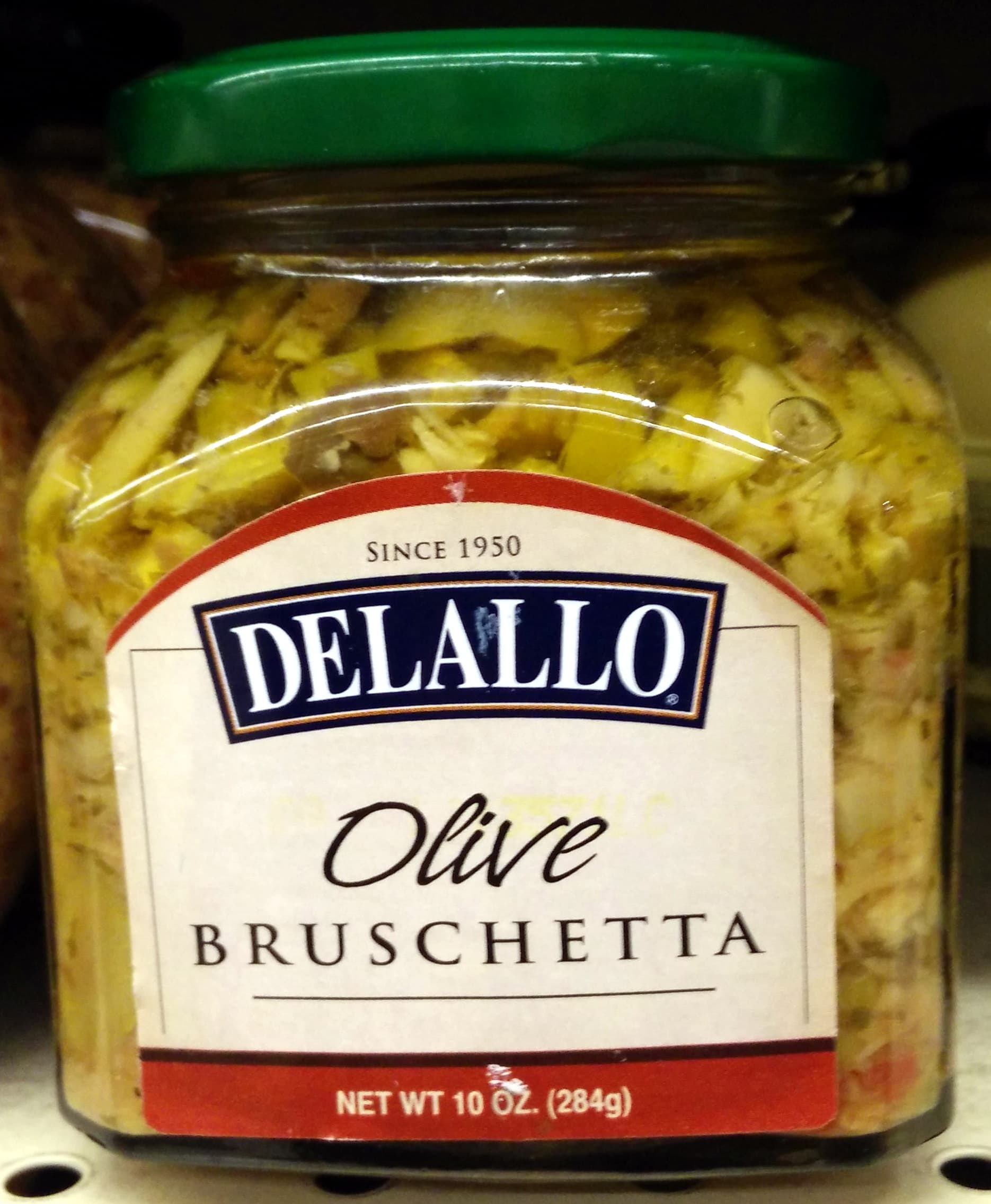


The nutrient profile is mixed or moderate based on the available evidence.
Help improve this record
Improve product dataStructured source data
Energy / 100g
267 kcal
Protein / 100g
0 g
Sugar / 100g
0 g
Ingredient-level explanation
GREEN OLIVES, OLIVE OIL, BLACK OLIVES, RED PEPPERS, YELLOW PEPPERS, CAPERS, VINEGAR, SPICES, ASCORBIC ACID, SALT, CITRIC ACID.
Tuvastatud lisaained (1)
Nutrition score
Nutrition profile
label quality is the strongest signal right now, while processing needs the most caution.
Strongest area
Label quality
Weakest area
Processing
Data confidence
high
Data confidence
High reliability
The data is strong and the assessment carries high confidence.
Category breakdown
The result is uneven: strengths and weaknesses are balanced.
Nutrition profile
Mixed
55/100
Nutrition score based on nutrient profile only.
Processing
Highly processed
Highly processed
Highly processed
Processing indicator kept separate from the nutrition score.
Environmental signal
Quite good
61/100
Estimated environmental signal with limited precision.
Label quality
Strong
93/100
Label quality reflects completeness and consistency of the record, not nutrition quality.
How is the score built?
Open the methodology note
Nutrition score measures nutrient profile only. Processing, environment, label quality, and data confidence stay separate so missing data or formulation signals do not silently change nutrition quality.
The data is broad and consistent. The interpretation is likely to remain stable.
Score drivers
Supports the assessment
Fiber (3.3 g/100 g) supports the nutrition score.
Impact: medium
Mandatory field coverage is strong (88%).
Impact: medium
Pulls the score down
Declared NOVA group 3 anchors the processing indicator.
Impact: high
High sodium content (667 mg/100 g) weakens the nutrition score.
Impact: medium
A long ingredient list (20 ingredients) supports a more processed classification.
Impact: low
Uncertain area
Record completeness is 78%.
Impact: medium
Added sugars are unavailable, so sugar handling relies conservatively on total sugars.
Impact: low
Kõrge soolasisaldus viitab suuremale naatriumikoormusele, mida tasub igapäevases tarbimises piirata.
Kohe
Võib suurendada janu ja mõnel inimesel soodustada vedelikupeetust.
Pikemas vaates
Sage liigne soolatarbimine seostub kõrgema vererõhu riskiga.
Loogika: salt100g > 1.2 g/100 g.
Signaalid: Sool 1.7 g/100 g ületab lävendi 1.2 g/100 g.
Tegu on riskisignaaliga, mitte meditsiinilise hinnanguga. Oluline on kogu päeva soolakoormus.
Kui soola on palju, suunab rakendus vanema tähelepanu lapse päevase soolakoormuse ja maitseharjumuste kujunemisele.
Miks oluline
Lapse toitumises tasub väga soolaseid valikuid piirata, sest harjumused kujunevad varakult ja mõjutavad ka hilisemat eelistust.
Kohe
Võib tekkida tugevam janu ja soov juua rohkem.
Pikemas vaates
Võib toetada soolasema maitse eelistust ja ebasoodsat vererõhu riskisuunda.
Põhineb tugeval rahvusvahelisel juhisel: WHO naatriumisoovitused (lastel kohandatakse vajadus allapoole).
Signaalid: Sool 1.7 g/100 g ületab lävendi 1.2 g/100 g.