
Disney
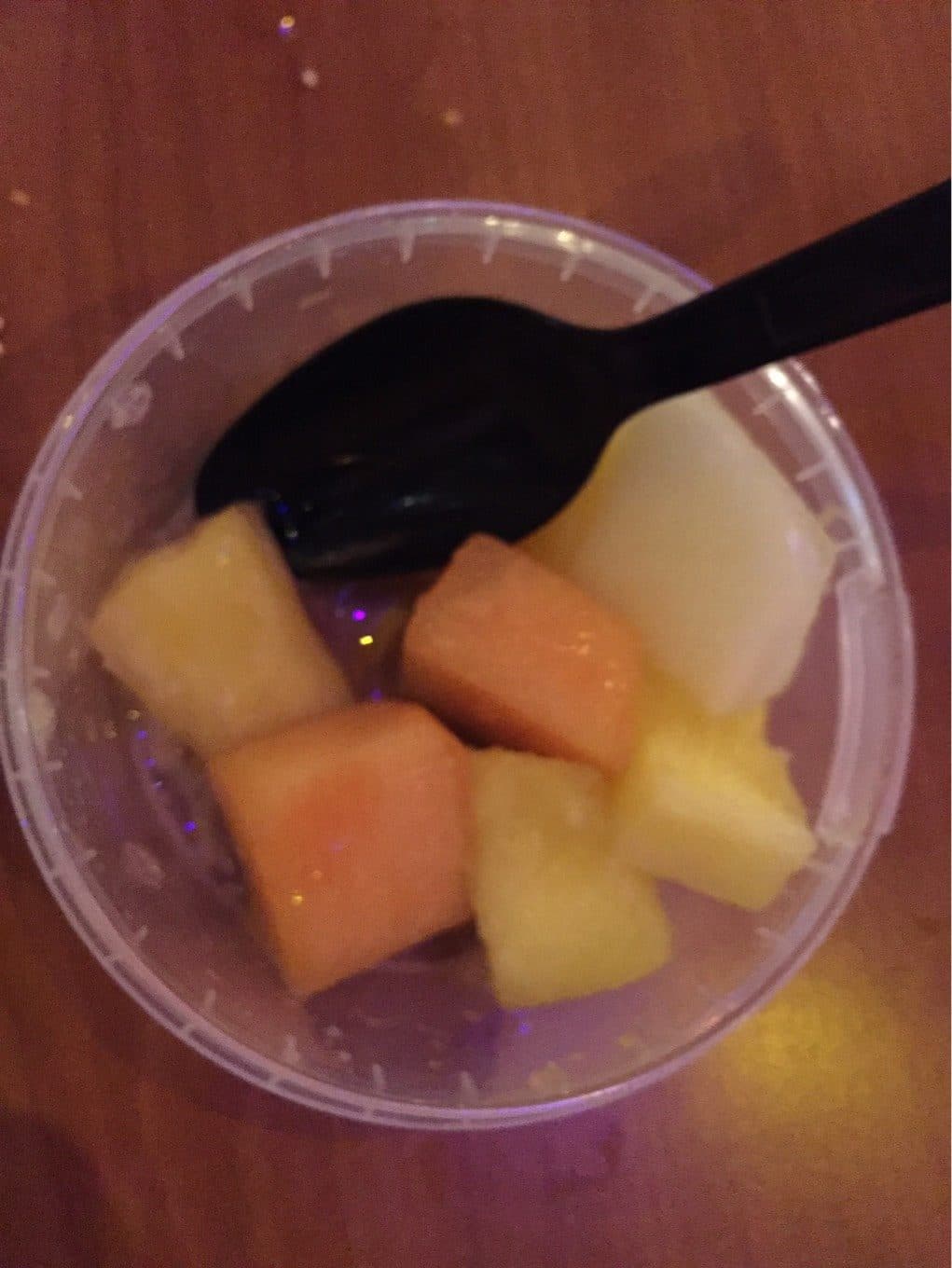
Coupelle de fruit « 3 FRUITS »
Food. Ingredients: Ananas (55%), melon (28%), raisin (17%). Evidence quality: high
Nutri-ScoreANOVA1Balanced nutrition
high confidence from label, nutrition, and source coverage
The nutrient profile is mixed or moderate based on the available evidence.
Help improve this record
Improve product dataRelated products
Disney
Food. Ingredients: Ananas (55%), melon (28%), raisin (17%). Evidence quality: high
high confidence from label, nutrition, and source coverage
Open Food Facts
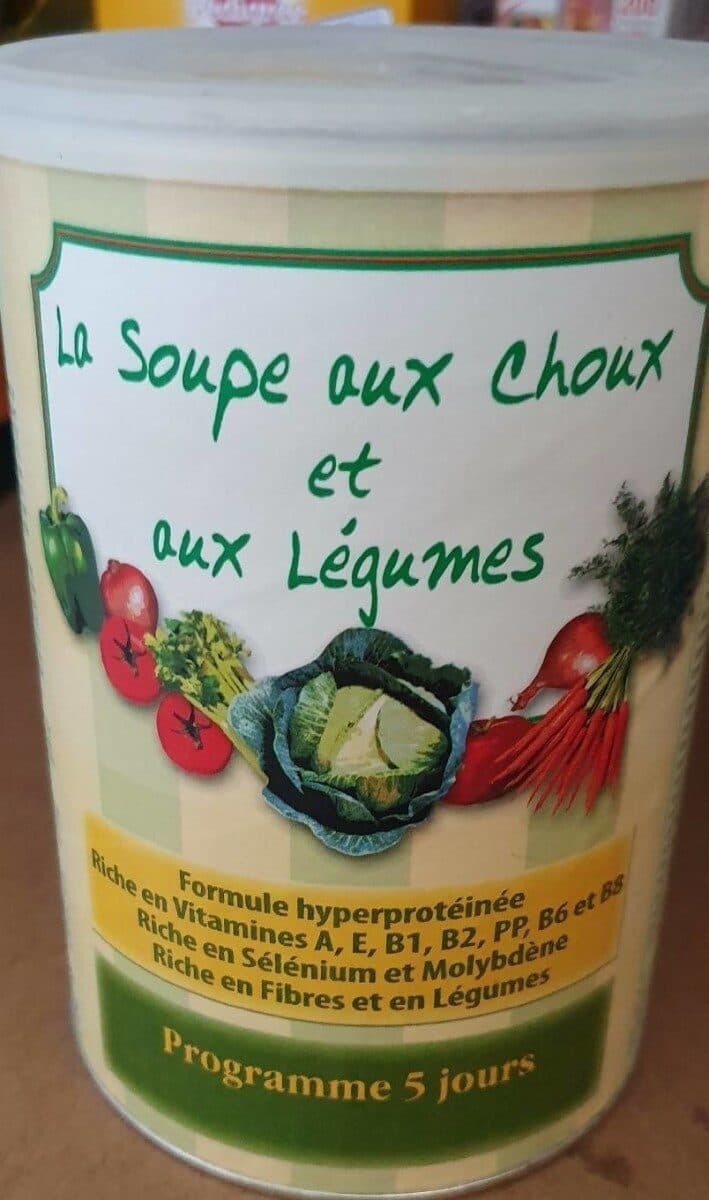
Food. Evidence quality: medium
medium confidence from label, nutrition, and source coverage
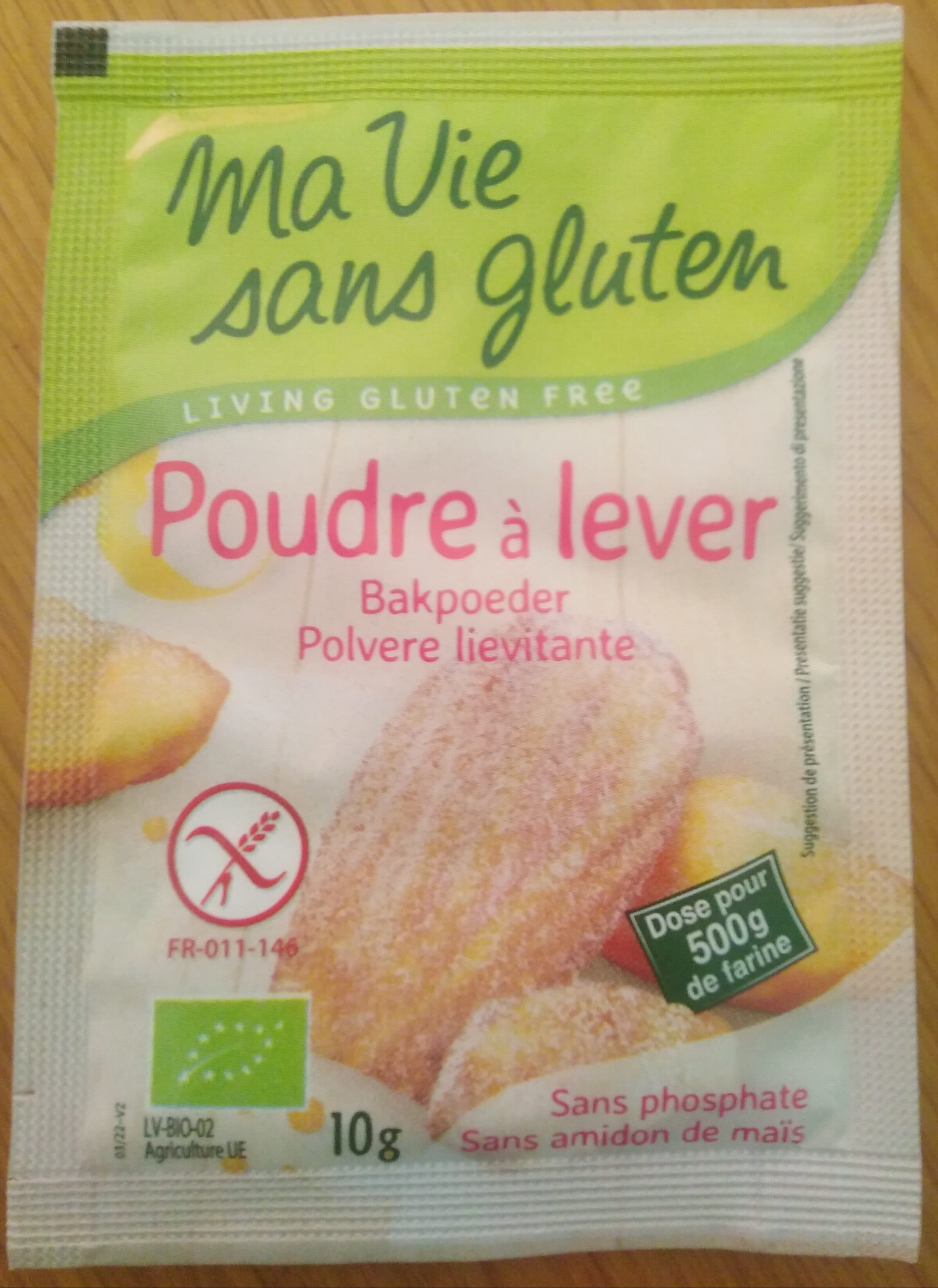
Ma Vie Sans Gluten
Food. Ingredients: fécule de pomme de terre?, tartrates de potassium(t), carbonates de sodium. 'issue de l'agriculture biologique. de tartrique naturel de vinif)sgtlon. Conseils d'utilisation : incorporer Dose recommandée : I sachet ia pudre à lever en temps qtR la farù pour SOO g de farine(s). Bakpoeder Ingredlënten: aardappelzetmeel', kaliums? . natriumcarbonaten. 'afkomstig van biologische londbouw. tüZouten van notuurlijke wijnsteenzvut ',an *iJnbereLdig, Gebruiksaanwi zing: vermeng het bakpoedet samen met het meeL Aanbenlen usis: I za le voor 5000 meet.. Evidence quality: medium. Nutrition score is currently hidden
medium confidence from label, nutrition, and source coverage

Leader Price
Food. Ingredients: _œufs_. Evidence quality: high. Nutrition score is currently hidden
high confidence from label, nutrition, and source coverage
Structured source data
Energy / 100g
285.71428571429 kcal
Protein / 100g
0 g
Sugar / 100g
80.952380952381 g
Ingredient-level explanation
Pure honey
Nutrition score
Nutrition profile
label quality is the strongest signal right now, while processing needs the most caution.
Strongest area
Label quality
Weakest area
Processing
Data confidence
medium
Data confidence
Medium reliability
Data coverage is partial and the interpretation carries moderate confidence.
Category breakdown
The result is uneven: strengths and weaknesses are balanced.
Nutrition profile
Mixed
49/100
Nutrition score based on nutrient profile only.
Processing
Highly processed
Highly processed
Highly processed
Processing indicator kept separate from the nutrition score.
Environmental signal
Mixed
57/100
Estimated environmental signal with limited precision.
Label quality
Quite good
63/100
Label quality reflects completeness and consistency of the record, not nutrition quality.
How is the score built?
Open the methodology note
Nutrition score measures nutrient profile only. Processing, environment, label quality, and data confidence stay separate so missing data or formulation signals do not silently change nutrition quality.
The data is partial. The interpretation is usable but some conclusions may be refined.
Score drivers
Supports the assessment
No clear positive highlights emerged from the available data.
Impact: low
Pulls the score down
High sugar content (80.952380952381 g/100 g) weakens the nutrition score.
Impact: high
Declared NOVA group 3 anchors the processing indicator.
Impact: high
Mandatory field coverage is only partial (63%).
Impact: medium
Uncertain area
Record completeness is 56%.
Impact: medium
Image evidence covers about 0% of the key fields.
Impact: low
Kõrge vabade suhkrute sisaldus võib tõsta energiakoormust ilma püsivat täiskõhutunnet pakkumata.
Kohe
Võib tekitada kiire energiakõikumise ning varasema näljatunde või suurema janu.
Pikemas vaates
Sage tarbimine seostub kõrgema riskiga ebasoodsale kehakaalu ja ainevahetuse profiilile.
Loogika: Joogid: sugars100g > 5 g/100 ml. Toidud: sugars100g > 10 g/100 g.
Signaalid: Suhkur 81.0 g/100 g ületab toidule rakendatud lävendi 10 g/100 g.
See on riskisignaal, mitte diagnoos. Mõju sõltub kogusest, tarbimissagedusest ja kogu toitumismustrist.
Kui toidus on palju vabu suhkruid, võib see lapse puhul nõrgendada täiskõhutunnet ja toetada sagedamat magusaisu.
Miks oluline
Rakendus tõstab selle esile, sest laste toitumises mõjutab sage kõrge suhkrukoormus nii päevast söömismustrit kui ka hambatervise riski.
Kohe
Võib tekkida varasem uus näljatunne või suurem janu pärast magusat toidukorda.
Pikemas vaates
Võib kujundada magusamaid maitse-eelistusi ja vähendada menüü üldist toitumiskvaliteeti.
Põhineb tugeval rahvusvahelisel juhisel: WHO soovitab lastel piirata vabu suhkruid (kaariese ja liigse energiatarbimise riskisuund).
Signaalid: Suhkur 81.0 g/100 g ületab toidule rakendatud lävendi 10 g/100 g.