Supporting factors
- Fiber (7.5 g/100 g) supports the nutrition score.
Need attention
- High sugar content (47.5 g/100 g) weakens the nutrition score.
- Added sugars are unavailable, so sugar handling relies conservatively on total sugars.
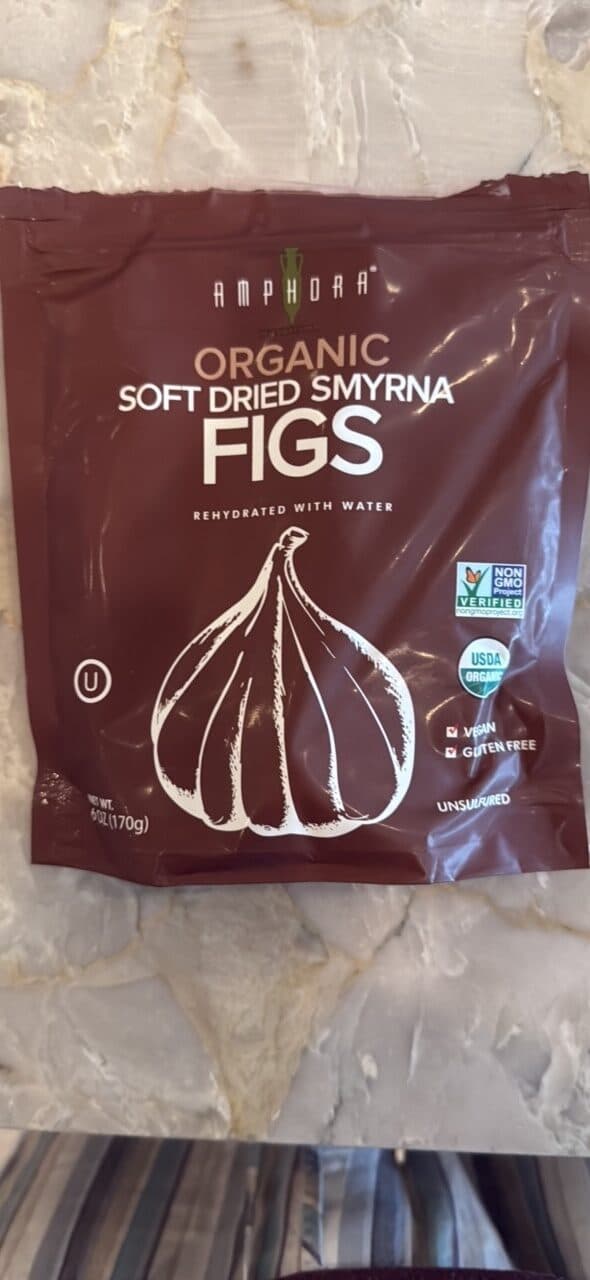
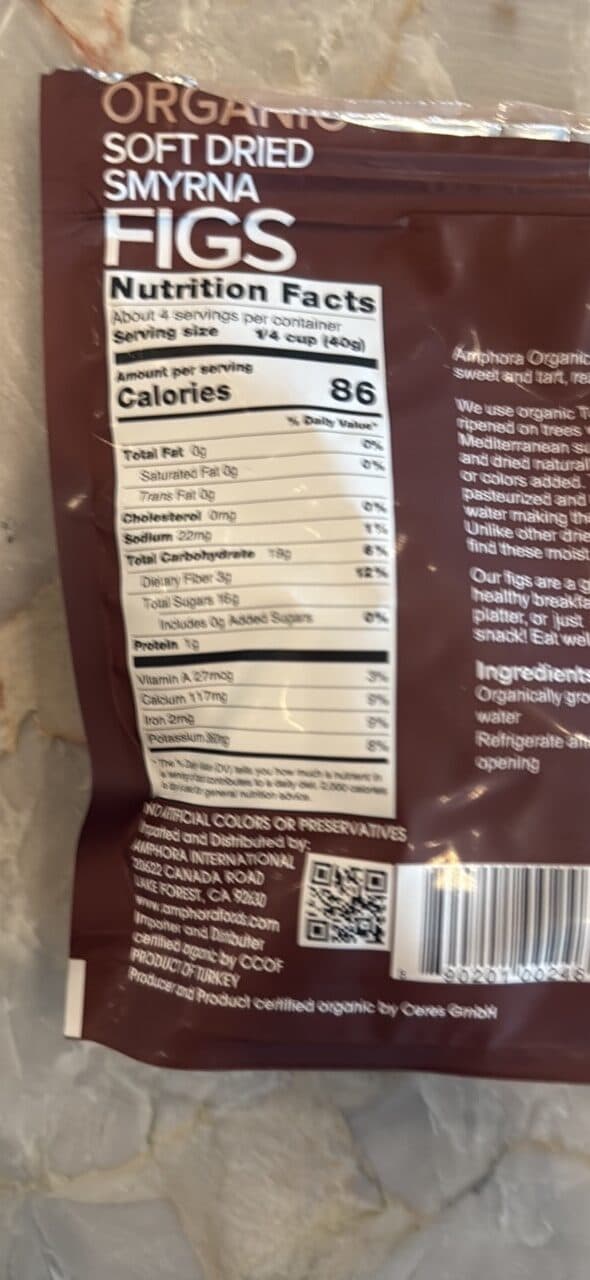
Nutrition snapshot
The nutrient profile is mixed or moderate based on the available evidence.
Nutrition score
60
/100
Nutrition interpretation
Moderate signal
The nutrient profile is mixed or moderate based on the available evidence.
Help improve this record
Structured source data
Energy / 100g
215 kcal
Protein / 100g
2.5 g
Sugar / 100g
47.5 g
Ingredient-level explanation
Organically grown and humidified figs, water.
Food score panel
Each dimension stays separate so the product can score well in one area and weakly in another without hiding trade-offs.
Nutrition score
60
/100
Nutrition profile
processing is the strongest signal right now, while environmental signal needs the most caution.
Strongest area
Processing
Weakest area
Environmental signal
Data confidence
high
Data confidence
Data confidence 82/100
High reliability
The data is strong and the assessment carries high confidence.
Confidence layer
Category breakdown
The overall assessment is good, but some areas warrant further review.
Nutrition profile
Quite good
60/100
60
Nutrition score based on nutrient profile only.
Processing
Minimally processed
Minimally processed
100
Processing indicator kept separate from the nutrition score.
Environmental signal
Mixed
57/100
57
Estimated environmental signal with limited precision.
Label quality
Strong
78/100
78
Label quality reflects completeness and consistency of the record, not nutrition quality.
How is the score built?
Open the methodology note
Nutrition score measures nutrient profile only. Processing, environment, label quality, and data confidence stay separate so missing data or formulation signals do not silently change nutrition quality.
The data is broad and consistent. The interpretation is likely to remain stable.
Score drivers
Supports the assessment
Declared NOVA group 1 anchors the processing indicator.
Impact: high
Fiber (7.5 g/100 g) supports the nutrition score.
Impact: medium
Mandatory field coverage is strong (75%).
Impact: medium
Pulls the score down
High sugar content (47.5 g/100 g) weakens the nutrition score.
Impact: high
Uncertain area
Record completeness is 78%.
Impact: medium
Added sugars are unavailable, so sugar handling relies conservatively on total sugars.
Impact: low
Related products
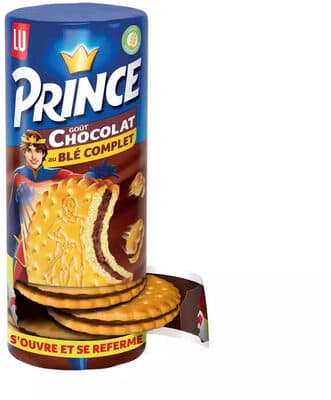
Snacks. Ingredients: WHEAT flour 35%, whole WHEAT flour 15.7%, sugar, vegetable oils (palm, rapeseed), low-fat cocoa powder 4.5%, glucose syrup, WHEAT starch, raising agents (ammonium bicarbonate, sodium bicarbonate, disodium diphosphate), emulsifiers (SOY lecithin, sunflower lecithin), salt, skimmed MILK powder, lactose and MILK proteins, flavors, MAY CONTAIN EGG.. Evidence quality: high
nutrition score
Score summary
60
Nutrition score
label quality is the strongest signal right now, while processing needs the most caution.
Data confidence
92/100
high reliability
high confidence from label, nutrition, and source coverage
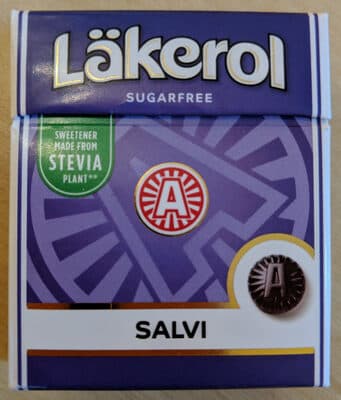
Snacks. Ingredients: Sötningsmedel/sødestoffer (maltitoler, sorbitoler, steviolglykosider), stabiliseringsmedel/stabilisator (gummi arabicum), ammoniumklorid (=salmiak), lakritsextrakt, aromer, vegetabiliska oljor (kokos, raps), fläderbärs-/hyldebær/hyllebær ekstrakt, ytbehandlings-/overladebehandlingsmiddel (karnaubavax/voks). Evidence quality: high
nutrition score
Score summary
67
Nutrition score
label quality is the strongest signal right now, while processing needs the most caution.
Data confidence
95/100
high reliability
Snacks. Evidence quality: medium. Nutrition score is currently hidden
nutrition score
Score summary
—
Nutrition score
label quality is the strongest signal right now, while environmental signal needs the most caution.
Data confidence
69/100
medium reliability

Snacks. Ingredients: Raisins secs bio 40%, huile végétale de tournesol bio 20%, _Noix de cajou_ bio 20%, Physalis bio 10%, Cannerberge bio, (sucre de canne bio, huile végétale de tournesol bio), 10%, _Amandes_ bio.. Evidence quality: high
nutrition score
Score summary
55
Nutrition score
label quality is the strongest signal right now, while processing needs the most caution.
Data confidence
88/100
high reliability
Kõrge vabade suhkrute sisaldus võib tõsta energiakoormust ilma püsivat täiskõhutunnet pakkumata.
Kohe
Võib tekitada kiire energiakõikumise ning varasema näljatunde või suurema janu.
Pikemas vaates
Sage tarbimine seostub kõrgema riskiga ebasoodsale kehakaalu ja ainevahetuse profiilile.
Loogika: Joogid: sugars100g > 5 g/100 ml. Toidud: sugars100g > 10 g/100 g.
Signaalid: Suhkur 47.5 g/100 g ületab toidule rakendatud lävendi 10 g/100 g.
See on riskisignaal, mitte diagnoos. Mõju sõltub kogusest, tarbimissagedusest ja kogu toitumismustrist.
Kui toidus on palju vabu suhkruid, võib see lapse puhul nõrgendada täiskõhutunnet ja toetada sagedamat magusaisu.
Miks oluline
Rakendus tõstab selle esile, sest laste toitumises mõjutab sage kõrge suhkrukoormus nii päevast söömismustrit kui ka hambatervise riski.
Kohe
Võib tekkida varasem uus näljatunne või suurem janu pärast magusat toidukorda.
Pikemas vaates
Võib kujundada magusamaid maitse-eelistusi ja vähendada menüü üldist toitumiskvaliteeti.
Põhineb tugeval rahvusvahelisel juhisel: WHO soovitab lastel piirata vabu suhkruid (kaariese ja liigse energiatarbimise riskisuund).
Signaalid: Suhkur 47.5 g/100 g ületab toidule rakendatud lävendi 10 g/100 g.
high confidence from label, nutrition, and source coverage
medium confidence from label, nutrition, and source coverage
high confidence from label, nutrition, and source coverage