Uncertain or missing data
- Fruit, vegetable, legume, and nut share was inferred heuristically.
What would improve the assessment
- Part of this signal relies on inferred values, so direct declared data would improve reliability.


Nutrition snapshot
The nutrient profile looks comparatively strong based on the available evidence.
Nutrition score
73
/100
Nutrition interpretation
Low signal
The nutrient profile looks comparatively strong based on the available evidence.
Structured source data
Energy / 100g
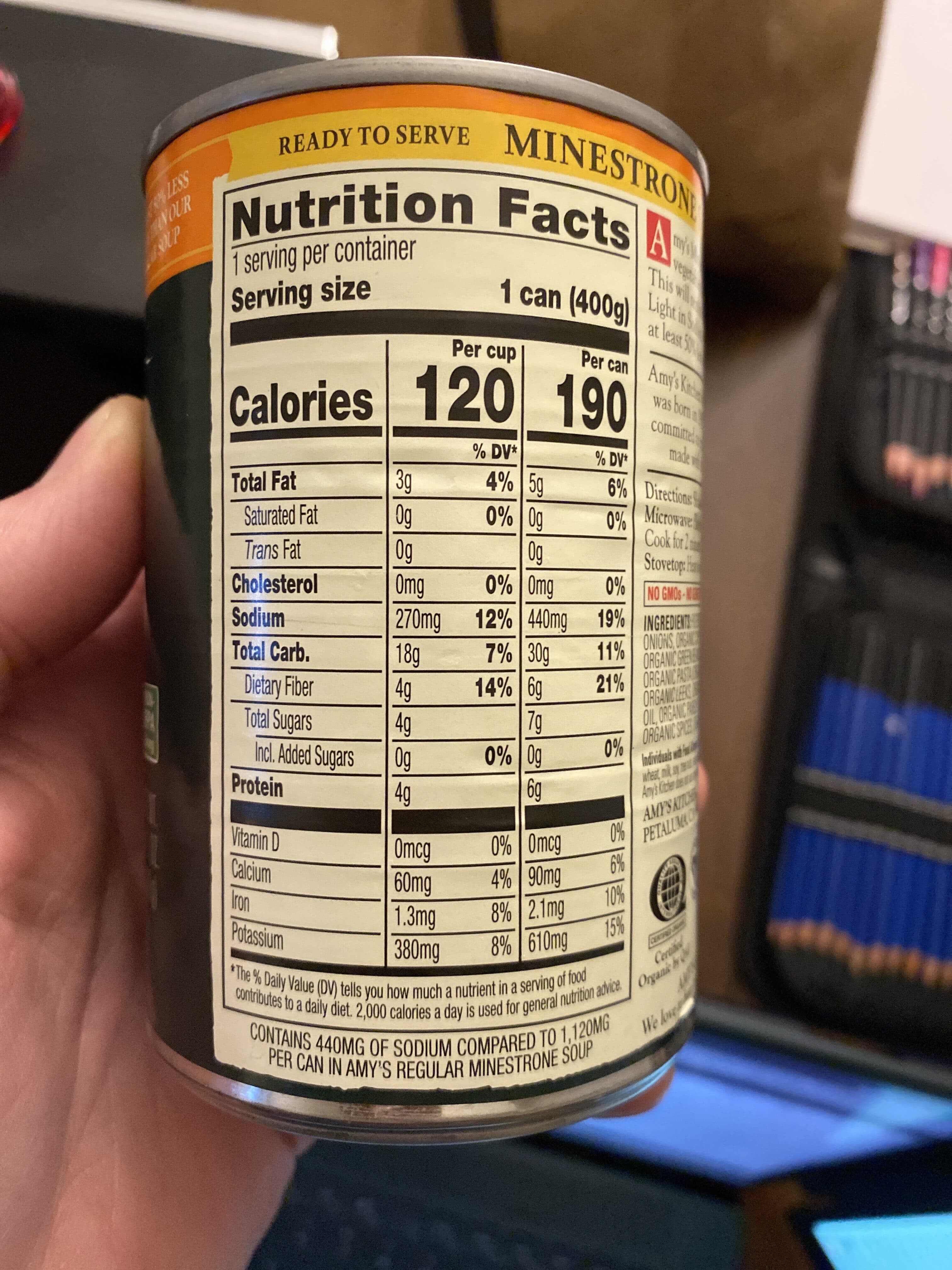
47.5 kcal
Protein / 100g
2 g
Sugar / 100g
1.75 g
Ingredient-level explanation
Filtered water, organic diced tomatoes, organic onions, organic carrots, organic kidney beans, organic potatoes, organic celery, organic green beans, organic peas, organic pasta (organic durum wheat semolina flour, water), organic leeks, organic high oleic safflower and/or sunflower oil, organic spices, organic basil, sea salt, organic garlic, bay leaves, organic black pepper.
Food score panel
Each dimension stays separate so the product can score well in one area and weakly in another without hiding trade-offs.
Nutrition score
73
/100
Nutrition profile
label quality is the strongest signal right now, while processing needs the most caution.
Strongest area
Label quality
Weakest area
Processing
Data confidence
high
Data confidence
Data confidence 77/100
High reliability
The data is strong and the assessment carries high confidence.
Confidence layer
Category breakdown
The overall assessment is good, but some areas warrant further review.
Nutrition profile
Quite good
73/100
73
Nutrition score is available, but some inputs were inferred.
Processing
Highly processed
Highly processed
34
Processing indicator kept separate from the nutrition score.
Environmental signal
Mixed
57/100
57
Estimated environmental signal with limited precision.
Label quality
Strong
86/100
86
Label quality reflects completeness and consistency of the record, not nutrition quality.
How is the score built?
Open the methodology note
Nutrition score measures nutrient profile only. Processing, environment, label quality, and data confidence stay separate so missing data or formulation signals do not silently change nutrition quality.
The data is broad and consistent. The interpretation is likely to remain stable.
Score drivers
Supports the assessment
Mandatory field coverage is strong (100%).
Impact: medium
Pulls the score down
Declared NOVA group 3 anchors the processing indicator.
Impact: high
A long ingredient list (41 ingredients) supports a more processed classification.
Impact: low
Uncertain area
Record completeness is 78%.
Impact: medium
Fruit, vegetable, legume, and nut share was inferred heuristically.
Impact: low
Related products

Pantry. Evidence quality: high
nutrition score
Score summary
44
Nutrition score
label quality is the strongest signal right now, while nutrition profile needs the most caution.
Data confidence
77/100
high reliability
high confidence from label, nutrition, and source coverage

Pantry. Ingredients: Choux, poireau, viande et gras de porc, _œuf_, épinard, oseille, oignon, fond de veau, ail, persil, ciboulette, farine de _blé_, sel, poivre.. Evidence quality: high
nutrition score
Score summary
69
Nutrition score
label quality is the strongest signal right now, while processing needs the most caution.
Data confidence
93/100
high reliability

Pantry. Evidence quality: medium
nutrition score
Score summary
36
Nutrition score
label quality is the strongest signal right now, while nutrition profile needs the most caution.
Data confidence
75/100
medium reliability

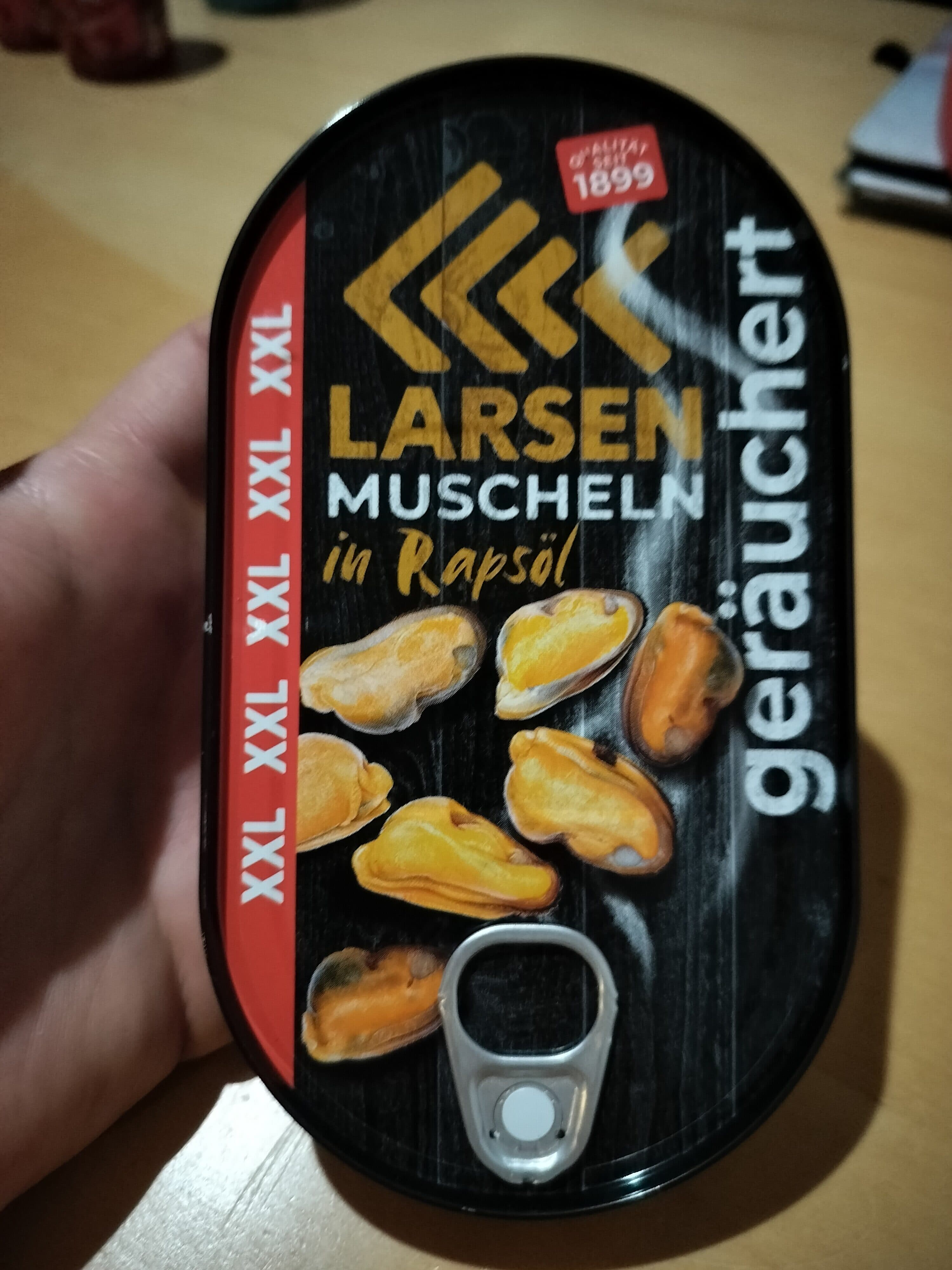
Pantry. Ingredients: oeufs de truite 96,5% (Oncorhynchus mykiss), sel.. Evidence quality: high
nutrition score
Score summary
33
Nutrition score
label quality is the strongest signal right now, while nutrition profile needs the most caution.
Data confidence
90/100
high reliability
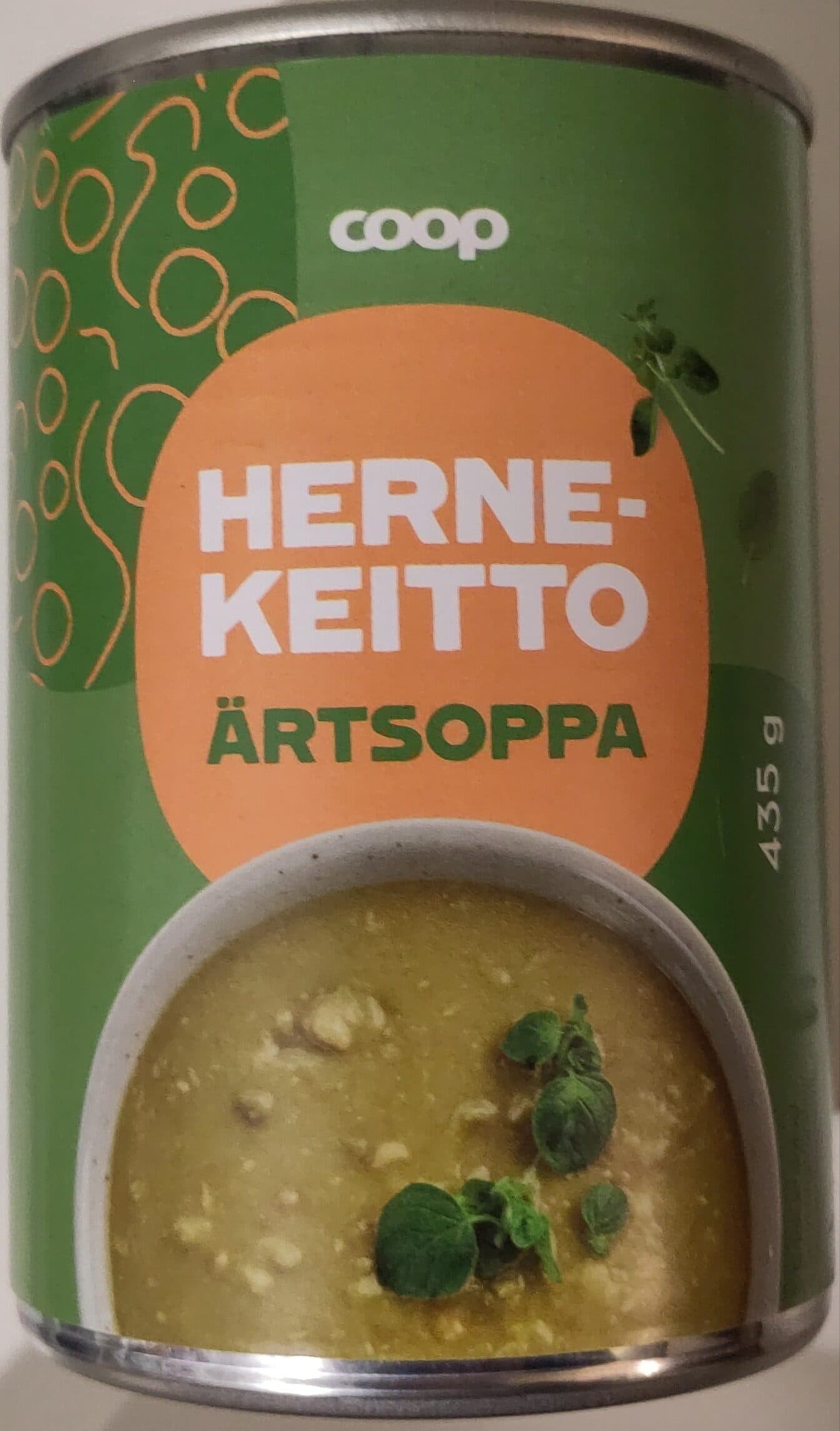
Madal kiudainesisaldus ja rafineeritud süsivesikud viitavad toidule, mis toetab nõrgemalt täiskõhutunnet.
Kohe
Võib põhjustada kiiremat glükoosikõikumist ja varasemat näljatunnet.
Pikemas vaates
Sage tarbimine võib halvendada üldist toidukvaliteeti ja seostub ebasoodsama ainevahetusprofiiliga.
Loogika: fiber100g < 1.5 g/100 g või fiber100g < 3 g/100 g koos rafineeritud süsivesikute markeritega.
Signaalid: Kiudained 1.5 g/100 g jäävad alla üldlävendi 3 g/100 g.
Riskisignaal sõltub kogu menüü kiudainete tasemest, mitte ainult ühest tootest.
Madal kiudainesisaldus on lapse vaates oluline, sest see mõjutab nii täiskõhutunnet kui ka seedimise mugavust.
Miks oluline
Rakendus kuvab selle, et aidata vanemal hoida lapse menüüs rohkem täistera, kaunvilju, puu- ja köögivilju.
Kohe
Võimalik on kiirem näljatunde taastumine või raskem seedimine.
Pikemas vaates
Võib vähendada lapse menüü üldist kvaliteeti ja hoida kiudainete tarbimise püsivalt liiga madalal.
Põhineb tugeval rahvusvahelisel juhisel: WHO süsivesikute kvaliteedi ja kiudainete soovitused.
Signaalid: Kiudained 1.5 g/100 g jäävad alla üldlävendi 3 g/100 g.
high confidence from label, nutrition, and source coverage
medium confidence from label, nutrition, and source coverage
high confidence from label, nutrition, and source coverage